
TMJ Treatment in Laguna Hills
Jaw pain, clicking, clenching, tension headaches from grinding. Gentle chiropractic adjustment of the jaw and upper cervical spine. First visit $49.
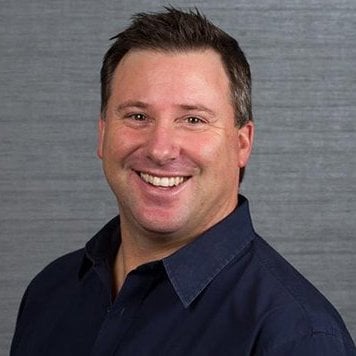
Sean Rundle, D.C.
- Palmer
- Gonstead
- Diversified
- Activator
- Thompson
TMJ doesn't have a single cause.
TMJ — jaw pain and dysfunction — responds to gentle chiropractic adjustment of the jaw and upper cervical spine.
The temporomandibular joint sits just in front of each ear, where the lower jaw meets the skull. It is an unusual joint: it hinges and it slides, it has a small cartilage disc riding between the two bone surfaces, and the two sides are mechanically linked, so neither can move independently of the other. That linkage is why a problem on one side reliably becomes a problem for both, and why jaw mechanics are less forgiving than most joints in the body.
The symptom picture is broader than people expect. Clicking or popping when you open or close. Pain in front of the ear, in the cheek, or along the jawline. Difficulty opening wide, or a jaw that deviates to one side as it opens. Locking — open or closed — in more advanced cases. Tension headaches, particularly at the temples, because the large muscle that closes the jaw runs up the side of the skull. Ear fullness or ringing with no ear pathology to account for it. Facial fatigue by the end of the day. Many patients arrive having been told their teeth are fine and their ears are fine, still in pain.
The upper cervical spine is part of this picture rather than incidental to it. Head position determines resting jaw position: carry the head forward and the mechanics of jaw closure change, loading the joint differently through every swallow, of which there are many hundreds a day. This is why a jaw problem is examined alongside the neck, and why treating only the jaw often fails to hold.
The examination measures how far you can open and whether the jaw tracks straight, palpates the joint through opening and closing to feel what the disc is doing, and assesses the jaw muscles and the upper cervical segments. Dr. Rundle also asks about grinding and clenching — much of which happens during sleep, so the answer is often "I have been told I do."
Treatment is deliberately gentle. The Activator instrument delivers a small controlled impulse, which suits a joint this size and this sensitive; there is no forceful manipulation of the jaw. Soft-tissue work addresses the jaw muscles directly, and the upper cervical spine is adjusted where the examination supports it. Where grinding is a major driver, a dental appliance may be part of the answer, and Dr. Rundle will say so — TMJ is one of the conditions where chiropractic and dentistry frequently belong in the same plan.
What's included in your $49 first visit.
Consultation with Dr. Rundle
You tell him what is going on; he asks the questions that fill in the picture.
Chiropractic exam
Orthopedic, neurologic, and movement testing.
Motion-study X-ray analysis
Taken on-site; shows how your spine moves under load, not just how it sits.
Your customized treatment plan
Dr. Rundle walks you through what he sees, what the plan is, and what to expect.
For TMJ, the exam measures how far the jaw opens and whether it tracks straight or deviates, palpates the joint through its range to feel what the disc is doing, and examines the upper cervical spine — head position governs resting jaw position.
What TMJ patients tell us changed.
- Patients tell us they notice less clicking and less clenching.
- Patients tell us they wake up with less tension through the jaw and temples.
- Patients tell us they eat a meal without the jaw aching afterwards.
We don't promise a number of visits. TMJ frequently needs both chiropractic and dental input, and if Dr. Rundle thinks an appliance is part of your answer he will tell you at the first visit.
TMJ FAQ.
- Does adjusting the jaw hurt?
- No. TMJ work uses the Activator — a small handheld instrument delivering a low-force, controlled impulse — precisely because a joint this size and this irritable does not need force. There is no forceful manipulation of the jaw involved, and most patients describe the adjustment as a light tap.
- My jaw clicks but it does not hurt. Should I do anything about it?
- Painless clicking is common and not automatically a problem. It becomes worth attention when it is new, when it is accompanied by pain, when your opening is reduced, or when the jaw deviates to one side as it opens — that last one suggests the two sides are no longer working together, and it tends to progress rather than settle.
- What does my neck have to do with my jaw?
- More than most people expect. Where your head sits determines your jaw's resting position and how the joint loads every time you swallow — which is many hundreds of times a day. A forward head posture changes jaw mechanics continuously. This is why the upper cervical spine gets examined alongside the jaw, and why jaw-only treatment often does not hold.
- I grind my teeth at night. Will chiropractic stop that?
- Not directly. Chiropractic care can address the joint restriction and muscle tension that grinding produces, which is often what is actually generating your pain. Reducing the grinding itself usually involves a dental appliance, and stress and sleep quality both play a part. Dr. Rundle will tell you where he thinks the line falls in your case and will coordinate with your dentist.
- My dentist says my teeth and bite are fine, but my jaw still hurts. What now?
- That is a common way people arrive here. A normal dental examination rules out the teeth as the source but says nothing about the joint itself, the muscles that move it, or the cervical mechanics loading it. Those are exactly what the first-visit examination assesses.
Dr. Rundle is a great listener! super knowledgeable and made sure I understood everything he explained to me.
Ready when you are.
Your first visit is $49. Book online or call (949) 588-7011.
Book Your $49 New Patient Visit