
Laser Therapy in Laguna Hills
Non-invasive cold laser for persistent inflammation and slow-healing soft-tissue injury — no heat, no medication. Used as an adjunct to adjustment when the case calls for it. First visit $49.
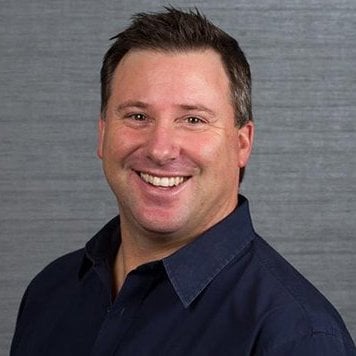
Sean Rundle, D.C.
- Palmer
- Gonstead
- Diversified
- Activator
- Thompson
What laser therapy is — and when it fits.
Cold laser therapy uses low-level light to stimulate cellular activity in injured soft tissue. We use it as an adjunct to chiropractic adjustment when a patient's case involves persistent inflammation, slow-healing soft-tissue injury, or chronic joint pain that is not responding to adjustment alone.
"Cold" is the operative word, and it is what separates this from the lasers people picture. Surgical lasers work by heating and cutting tissue. Low-level laser therapy operates at a fraction of that power — enough for the light to penetrate skin and reach the tissue beneath, not enough to raise its temperature meaningfully. Patients do not report feeling heat during a session, and there is nothing to recover from afterwards.
The proposed mechanism is cellular rather than mechanical. Light at specific wavelengths is absorbed by structures inside the cell involved in energy production, and the working theory is that this increases the energy available to cells in an injured area — supporting repair, moderating the local inflammatory response, and improving circulation to tissue that heals slowly because it is poorly supplied with blood. Tendon and ligament are exactly that kind of tissue, which is why they are the usual targets.
It earns its place in specific circumstances. A soft-tissue injury that has stalled rather than progressed. Tendon inflammation that keeps returning. A joint that remains irritable after adjustment has restored its motion. Chronic conditions where the inflammatory component has outlasted the original injury. In each case it is doing something adjustment cannot: adjustment restores joint motion, while laser addresses the state of the tissue around it.
A session is short — typically a few minutes over the treated area, with a handheld emitter held against or just above the skin. You wear protective eyewear. Several sessions across a course of care are usual rather than one; the effect is cumulative. It is normally delivered in the same appointment as your adjustment rather than as a separate visit.
We use it when it fits the case, not as a default. Laser therapy is not a substitute for diagnosing what is wrong, and adding it to every plan would be a way of charging for something rather than treating something. Dr. Rundle will recommend it when your examination shows the kind of tissue problem it addresses, and will leave it out when it does not.
What's included in your $49 first visit.
Consultation with Dr. Rundle
You tell him what is going on; he asks the questions that fill in the picture.
Chiropractic exam
Orthopedic, neurologic, and movement testing.
Motion-study X-ray analysis
Taken on-site; shows how your spine moves under load, not just how it sits.
Your customized treatment plan
Dr. Rundle walks you through what he sees, what the plan is, and what to expect.
Laser is not diagnosed for on its own — it is added when the examination shows a soft-tissue or inflammatory component that adjustment alone will not reach, such as a tendon that keeps flaring or an injury that has stalled rather than progressed.
What laser-therapy patients tell us changed.
- Patients tell us they notice a stubborn area finally settling down.
- Patients tell us they feel an old injury stop flaring every few weeks.
- Patients tell us they get through the day without the area aching.
We don't add laser to every plan. It goes in when the exam shows the kind of tissue problem it addresses, and stays out when it doesn't.
Laser Therapy FAQ.
- Does cold laser therapy hurt?
- No. Most patients feel nothing at all, and a few report a mild warmth. The power level is far below what would heat tissue — that is what "cold" refers to. You wear protective eyewear during the session, the emitter is held against or just above the skin, and there is nothing to recover from afterwards.
- Is this the same thing as a surgical laser?
- No, and the difference is the whole point. Surgical lasers deliver enough power to heat and cut tissue. Low-level laser therapy delivers a small fraction of that — enough for the light to reach the tissue under the skin, not enough to damage or meaningfully warm it. Nothing is cut and nothing is burned.
- How many sessions does it take?
- The effect is cumulative, so a course of several sessions is typical rather than a single treatment. The number depends on the tissue involved and how long the problem has been running. Laser is normally delivered within the same appointment as your adjustment, so it does not mean extra visits — Dr. Rundle will outline the expected course after your examination.
- What conditions is laser therapy actually good for?
- It is most useful for soft-tissue problems with a persistent inflammatory component: tendon inflammation that keeps returning, an injury that has stalled rather than progressed, or a joint that stays irritable after adjustment has restored its motion. Tendon and ligament are poorly supplied with blood and heal slowly, which is why they are the usual targets.
- Can I have laser therapy instead of being adjusted?
- They do different jobs, so substituting one for the other rarely makes sense. Adjustment restores motion to a restricted joint; laser addresses the condition of the tissue around it. If your problem is mechanical restriction, laser alone will not resolve it. Dr. Rundle will tell you which one your findings actually call for, and it is frequently both.
He has taught me how to fight the aging process through stretching, overall fitness and regular adjustment.
Ready when you are.
Your first visit is $49. Book online or call (949) 588-7011.
Book Your $49 New Patient Visit