
Chiropractic Care for Headaches and Migraines in Laguna Hills
Cervical-origin headaches and migraines respond to chiropractic care when medication-only approaches stall. We start with what the neck is doing. First visit $49.
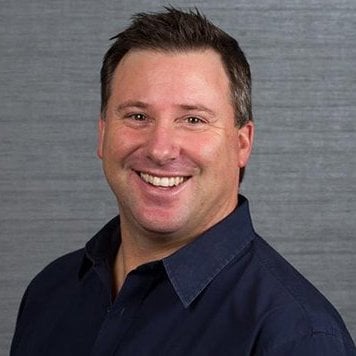
Sean Rundle, D.C.
- Palmer
- Gonstead
- Diversified
- Activator
- Thompson
Headaches & Migraines doesn't have a single cause.
Many recurring headaches have a cervical-spine origin — and respond to chiropractic care when medication-only approaches stall.
The mechanism is anatomical. The nerves supplying the upper neck and the nerves carrying sensation from the head converge in the upper cervical spinal cord, which means the brain can genuinely struggle to distinguish a signal originating at the top of the neck from one originating in the head itself. A restricted or irritated upper cervical segment can therefore produce pain felt behind the eye, across the temple, or over the top of the skull. This is a recognised category — cervicogenic headache — and it is the one chiropractic care is best positioned to address.
The pattern is usually recognisable once you know what to look for. Cervicogenic headaches tend to be one-sided and to stay on the same side. They often start at the base of the skull and spread forward. They are frequently provoked by neck movement or by holding one position — a long drive, a long screen session — and are commonly accompanied by neck stiffness and reduced rotation toward the painful side. Tension-type headache presents more as a bilateral band of pressure. True migraine brings its own features: throbbing quality, nausea, light and sound sensitivity, sometimes visual aura beforehand. These categories overlap in practice, and plenty of people have more than one kind.
The examination focuses on the upper cervical spine: how far you can rotate, where rotation stops, whether pressure over specific segments reproduces your familiar headache, and what the muscles at the base of the skull are doing. The motion-study X-ray shows the upper cervical segments and whether the normal cervical curve has been lost — a common finding in headache patients with desk-driven posture. Dr. Rundle also screens for the features that indicate a headache needs medical rather than chiropractic evaluation.
Treatment centres on restoring motion to the involved cervical segments, using Diversified adjusting or the low-force Activator instrument, combined with soft-tissue work on the suboccipital muscles at the base of the skull, which are almost always involved. Where posture is driving the pattern, workstation and sleep-position changes are part of the plan, because the neck is being reloaded every day.
Migraine is a more complicated picture and the honest position is that chiropractic is not a cure for it. What patients with cervicogenic components to their migraines often report is a reduction in frequency and in the neck-driven triggering. Dr. Rundle will tell you after the exam whether he sees a cervical component in your case worth treating, and will say so if he does not.
What's included in your $49 first visit.
Consultation with Dr. Rundle
You tell him what is going on; he asks the questions that fill in the picture.
Chiropractic exam
Orthopedic, neurologic, and movement testing.
Motion-study X-ray analysis
Taken on-site; shows how your spine moves under load, not just how it sits.
Your customized treatment plan
Dr. Rundle walks you through what he sees, what the plan is, and what to expect.
For headaches, the exam is looking for a cervical origin: whether pressure over specific upper cervical segments reproduces your familiar headache, and whether rotation is restricted toward the painful side. It also screens for the features that mean a headache belongs with a physician instead.
What headache patients tell us changed.
- Patients tell us they go longer between bad days.
- Patients tell us they stop reaching for OTC headache medication.
- Patients tell us they get through a full workday without the band tightening.
We don't promise a number of visits, and chiropractic is not a cure for migraine. What Dr. Rundle can tell you after the exam is whether your headaches have a cervical component worth treating — including if the answer is no.
Headaches & Migraines FAQ.
- How would I know if my headaches are coming from my neck?
- Cervicogenic headaches typically stay on one side, often begin at the base of the skull and spread forward toward the eye or temple, and are provoked by neck movement or sustained positions. Neck stiffness and reduced rotation toward the painful side usually accompany them. The confirming test is clinical: if pressure over a specific upper cervical segment reproduces your familiar headache, that is strong evidence.
- Can chiropractic care cure my migraines?
- No, and anyone who tells you otherwise is overselling. Migraine is a neurological condition, not a mechanical one. What chiropractic care can address is the cervical component many migraine sufferers also have — neck restriction that acts as a trigger or that adds a second, overlapping headache on top of the migraines. Reduced frequency is a realistic aim; a cure is not.
- Will I have to stop my headache medication?
- That is a conversation with the physician who prescribed it, not with us. Dr. Rundle does not ask patients to stop medication in order to start chiropractic care. Many patients who improve reduce their reliance on over-the-counter medication on their own over time, and that is a decision to make with your prescriber.
- I get headaches almost every day. Is that different?
- Daily or near-daily headache is worth investigating carefully, partly because frequent use of pain medication can itself perpetuate a headache cycle. Dr. Rundle will want the full history — frequency, timing, what you have been taking and how often — before forming a view, and will refer you for medical evaluation if the picture calls for it.
- When is a headache an emergency?
- A sudden severe headache unlike any you have had before, a headache with fever and a stiff neck, one following a head injury, or one with confusion, weakness, vision loss or difficulty speaking needs immediate medical attention, not a chiropractic appointment. Dr. Rundle screens for these features at the examination, but if you are experiencing them now, seek emergency care.
At first I was terrified to see a chiropractor and be adjusted at all but I was having terrible headaches and hip pain… He’s helped my neck and hip tremendously.
Ready when you are.
Your first visit is $49. Book online or call (949) 588-7011.
Book Your $49 New Patient Visit